Phoenix heat is hard on diesel engines. Learn when to repair or replace, spot warning signs, compare costs, and protect your truck’s performance.
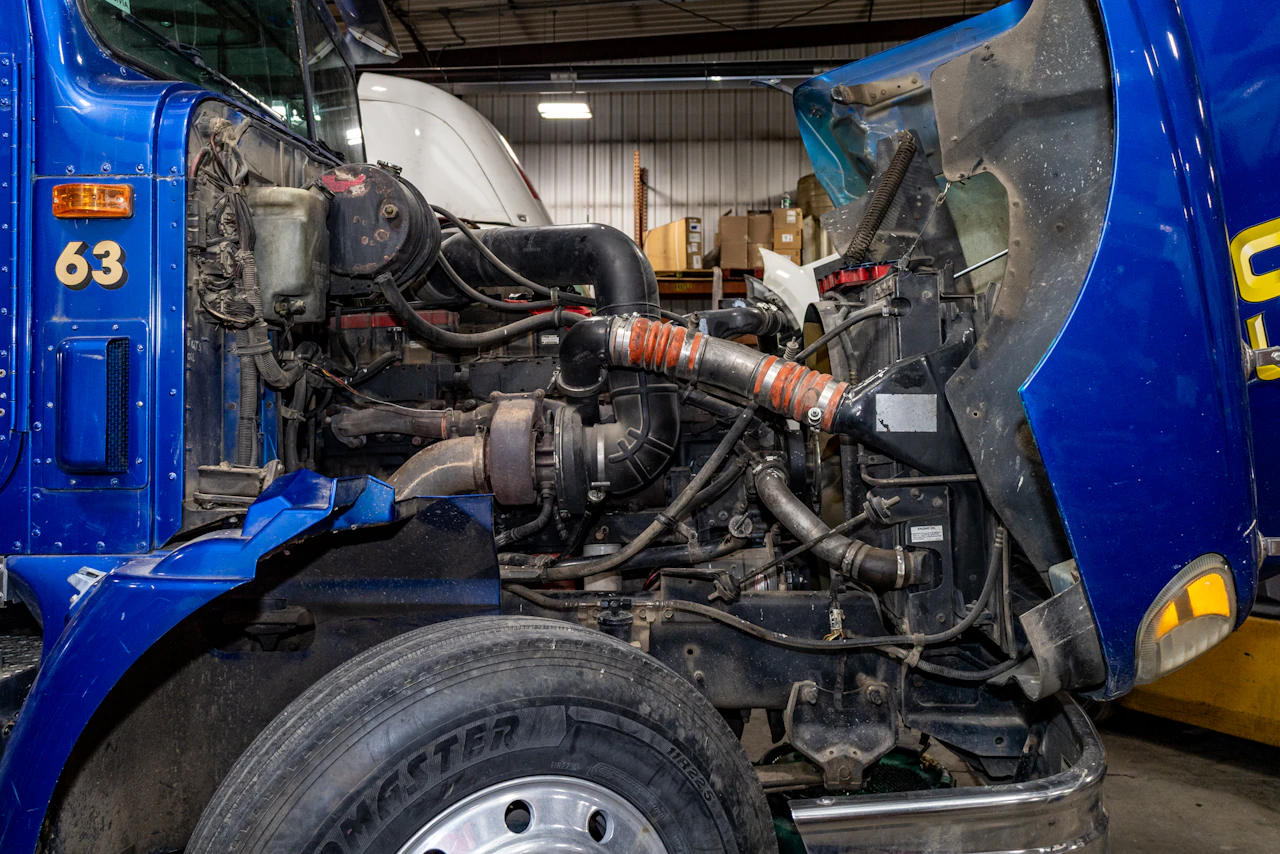
Phoenix’s tough roads and relentless heat take a toll on big rigs. When your diesel engine starts coughing, knocking, or losing power, you’re staring down a critical decision: repair or replace? If you’re running a fleet or hauling loads across Arizona and beyond, this choice can make or break your bottom line.
In this article, you’ll learn how to weigh your options, spot telltale warning signs, understand repair scopes, and make an informed decision for your heavy‑duty engine repair in Phoenix that keeps you moving and profitable.
Understanding Your Engine
Your engine isn’t just a collection of metal and parts; it’s the powerhouse that carries your livelihood. When something goes wrong, you want answers, and you want them to make sense.
Common Engine Problems in Heavy‑Duty Trucks
The first step in deciding whether to repair or replace is knowing what you’re up against. These are the issues we see most often:
1. Overheating and Coolant Loss
Phoenix’s heat can drive temperatures through the roof. Combine that with worn radiators or weak water pumps, and you’ve got a recipe for overheating. When coolant leaks or evaporates, your engine runs hotter than it should, warping heads and damaging gaskets.
2. Low Compression
Compression is the engine’s ability to squeeze air and fuel into a powerful explosion. Low compression means less power, rough idle, or even stalling. It’s often caused by worn piston rings, burned valves, or cylinder wear—all signs of internal aging.
3. Excessive Smoke and Oil Consumption
Blue smoke? That’s burning oil. Black? Too much fuel. White? Coolant is getting into the combustion chamber. These symptoms help technicians narrow down the problem fast.
Repair vs. Replace: How to Decide
There’s no one‑size‑fits‑all answer—but there is a method.
1. Assess the Damage
Start with a complete engine diagnostic. A reputable facility like Complete HTR in Arizona will use industry‑standard tools to evaluate:
- Compression levels
- Cylinder condition
- Turbocharger performance
- Injector operation
- Cooling system efficiency
This gives you real data—not guesses.
2. Consider Truck Age and Usage
If your rig is newer and has high resale value, repairs usually make sense. But if it’s north of 500,000 miles with a history of breakdowns, replacement might be the smarter long‑term move.
3. Estimate Downtime Costs
Every hour your truck sits in the shop costs money. If repeated repairs will keep it off the road, replacing the engine—even at a higher upfront cost—can pay off in reliability and revenue.
4. Factor in Fuel Efficiency
Older engines often burn more fuel. A fresh motor or professionally remanufactured unit can restore efficiency, saving you tens of thousands in fuel over time.
Inside a Heavy‑Duty Engine Repair
When you choose to repair rather than replace, here’s what typically happens:
Cylinder Head Repair
Heads warp over time, especially under extreme heat. Technicians remove them, machine surfaces flat again, and replace worn valves.
Gasket and Seal Replacement
Blown head gaskets are common. New gaskets and quality seals keep oil and coolant where they belong.
Injector and Turbo Service
Clean, balanced injectors and a properly functioning turbo can dramatically improve performance and power delivery.
Balance and Calibration
Once repairs are done, your engine is dyno‑tested and calibrated for peak performance.
At Complete HTR, Arizona, every engine repair includes thorough testing to confirm the job was done right the first time.
When Engine Replacement Makes Sense
Sometimes the damage is too widespread:
Severe Block Damage
Cracks in the engine block or cylinders are often irreparable. At that point, replacement is usually the only realistic path.
Repeated Catastrophic Failures
If you’ve had multiple major breakdowns within a short span, repairs can feel like putting tape on a cracked dam. Replacement delivers peace of mind and stronger ROI.
Technology Upgrades
Newer engines are often more fuel‑efficient, cleaner, and compliant with evolving emissions standards. Upgrading can future‑proof your operation.
Cost Breakdown: Repair vs. Replacement
Here’s how the dollars typically stack up:
- Minor to Moderate Repairs: Labor + parts (moderate cost).
- Major Overhaul: Labor, machining, and parts (significant but still less than replacement).
- Engine Replacement: New or remanufactured engine + installation (most expensive upfront).
But what matters more than sticker price is lifecycle value. A replacement engine with a warranty and higher reliability can save money over time by reducing downtime, fuel costs, and avoidable breakdowns.
That’s why our customers think beyond the invoice and look at long‑term performance gains.
Avoiding Common Missteps
Here are a few pitfalls to dodge:
1. Ignoring Early Warning Signs
If your dashboard flashes warnings or your rig feels “off,” don’t wait. Early intervention can mean the difference between a simple fix and a replacement.
2. Choosing Cheap Parts Over Quality
Cut‑rate parts often fail sooner, costing more in repeat repairs. Insist on quality components and proper workmanship.
3. Skipping Full Diagnostics
A cursory look can miss hidden damage. Always demand thorough diagnostics before making repair decisions.
Why Local Expertise Matters
Phoenix isn’t like other cities. The heat, heavy hauling routes, and desert conditions put unique stresses on engines. You want a team that knows Arizona trucks inside and out—people who’ve seen every knock, hiss, and symptom on the diagnostic report.
At Complete HTR, our experienced technicians specialize in heavy‑duty engine repair in Phoenix. We’ve worked on:
- Freightliners
- Kenworths
- Peterbilts
- Volvos
- International Trucks
…and more.
We treat your rig like it’s our own and give you honest recommendations you can trust.
Making the Right Choice for Your Fleet
Here’s a simple way to think about it:
If the issue is localized, repairable, and the rest of the engine is in good health, repair.
If there’s extensive internal damage, high mileage, or repeated failures, consider replacement.
Talk through your options with your technician. Good communication and transparent cost estimates are key.
Keep Your Truck Running Strong
Your engine is the lifeblood of your business. Getting stuck on the side of the road isn’t just inconvenient—it eats into your profits. Whether you decide to repair or replace, the goal is the same: keep your truck reliable, efficient, and road‑ready.
If you’re unsure what’s best for your situation, don’t guess—get a professional evaluation.
If you’re ready to get your truck back on the road, contact Complete HTR in Arizona today for a comprehensive heavy‑duty engine repair in Phoenix quote. Let’s diagnose your problem, explore your options, and get you hauling with confidence. Your engine deserves expertise that lasts!
News & Articles
find regular articles covering a wide range of topics related to diesel repair, maintenance, and troubleshooting.

Customer Testimonials
"Great reliable truck repair and mobile work. Ivan and Adrain great service guys."
"Amazing customer service, fair pricing and quick in and out. Called first, made a same day appointment, was out in about 5 hours. I definitely recommend them for the truck driver in need of service."
"Had DEF pump replaced on one of our Freightliner Cascadias. Service was fast, friendly and very economical. Will recommend to others. Small but Great place who will treat you right!"
Contact Complete HTR
Complete HTR provides professional heavy-duty truck, trailer, and heavy equipment repair and maintenance services, both in-shop in Phoenix, AZ, & via mobile services across the entire state of Arizona. Contact us today for more information, to request a quote, and to schedule service.